
Almost everyone owns a cell phone. Unfortunately, texting violations are becoming more common. There are strict laws governing cell phone use while driving in California. Individuals are not allowed to use their devices unless they have a hands-free system installed. In other words, talking on your phone or texting without the right technology in your vehicle can distract you, which may result in traffic infractions or accidents.
Each state has different laws regarding cell phone use while driving. In California, you may be pulled over just for using your cell phone when you’re behind the wheel. The officer will not need to cite another infraction in order to issue you a cell phone ticket. Illegal cell phone use in California is defined by a few key components:
There is a big difference between handheld and hands-free cell phone operation, and California law enforcement officials accept that the latter is a safer option. With these stipulations, it’s easy to see that violations regarding cell phone use while driving can be difficult to interpret. There is certainly room for traffic tickets to be issued in error. Contact us today for a FREE consultation 866-248-2846.
A texting while driving ticket may be given as soon as a police officer witnesses you using your device illegally. It can even occur when you’re waiting for a light to turn green. A common misconception is that the authorities can ticket someone for texting only if they commit another offense, such as running a red light or crashing into a vehicle. While traffic infractions involving texting are on the rise, many individuals also get ticketed when their vehicle isn’t moving.
Cell phone tickets do not add points to your California driving record. However, these tickets can be costly, especially if they start to stack up. If you were abiding by all conditions required to make the use of your cell phone safe and legal, then there is no reason you should be held accountable for this citation.
If you’ve landed yourself in this type of situation, you need someone who knows how to get out of a cell phone ticket. We’ll protect your rights as a driver and ensure that you don’t have to pay the price incurred from these expensive violations.
A cell phone ticket lawyercan help you avoid paying your ticket. For a first offense, the fine is $20. It’s typically $50 for each subsequent conviction, but it can be as high as $150. This might not seem like much, but it can add up if you have several tickets.
A lawyer for cell phone ticketcan craft a strong defense in your favor. He or she can clarify if you were driving an emergency vehicle, making an emergency call, on private property or playing with another device instead, such as a GPS. If you were, then there’s a good possibility that you might receive a favorable outcome at a trial.
Understand your driving when it comes to cell phone use and avoid an unfair reckless driving ticket. Let us help you when a situation was improperly evaluated. Attorneys at The Ticket Clinic know how to investigate. Contact us online today for a free consultation or call us at 1-866-248-2846.
It is illegal in Florida to drive with expired registration tags on your vehicle. If your tags have expired within the last six months, operating a motor vehicle with expired tags is a non-criminal minor traffic infraction. However, if your tags have been expired for more than six months, you may face stiffer penalties. A first offense carries the potential of fines and points and a second offense may carry up to sixty days in jail! While the easy solution
is to renew your tags on time, if you received a citation for expired tags and are not sure what to do, consider speaking to an experience traffic ticket attorney.
The Ticket Clinic has handled over 1 million traffic-related tickets, including tickets for expired tags, in Florida, California and nationwide. Call us at 1.800.CITATION for a consultation.
The red light camera fight keeps raging as lawmakers attempt to ban red light cameras. A recent report by the Miami Herald highlighted the debate after a bill to halt red light camera programs narrowly passed in a House committee vote in the Florida legislature last week.
The article highlights some interesting statistics, namely that the State of Florida collected $51 million in revenue last year from the red light camera program with no clear reports indicating that the cameras actually make intersections safer.
At The Ticket Clinic, we have been leading the fight against red light cameras in Florida and California. If you received a red light camera ticket and have questions about whether you can fight it, consider talking to an experienced traffic ticket attorney. The Ticket Clinic has defended over 1 million traffic tickets. Call us today at 1.800.CITATION.
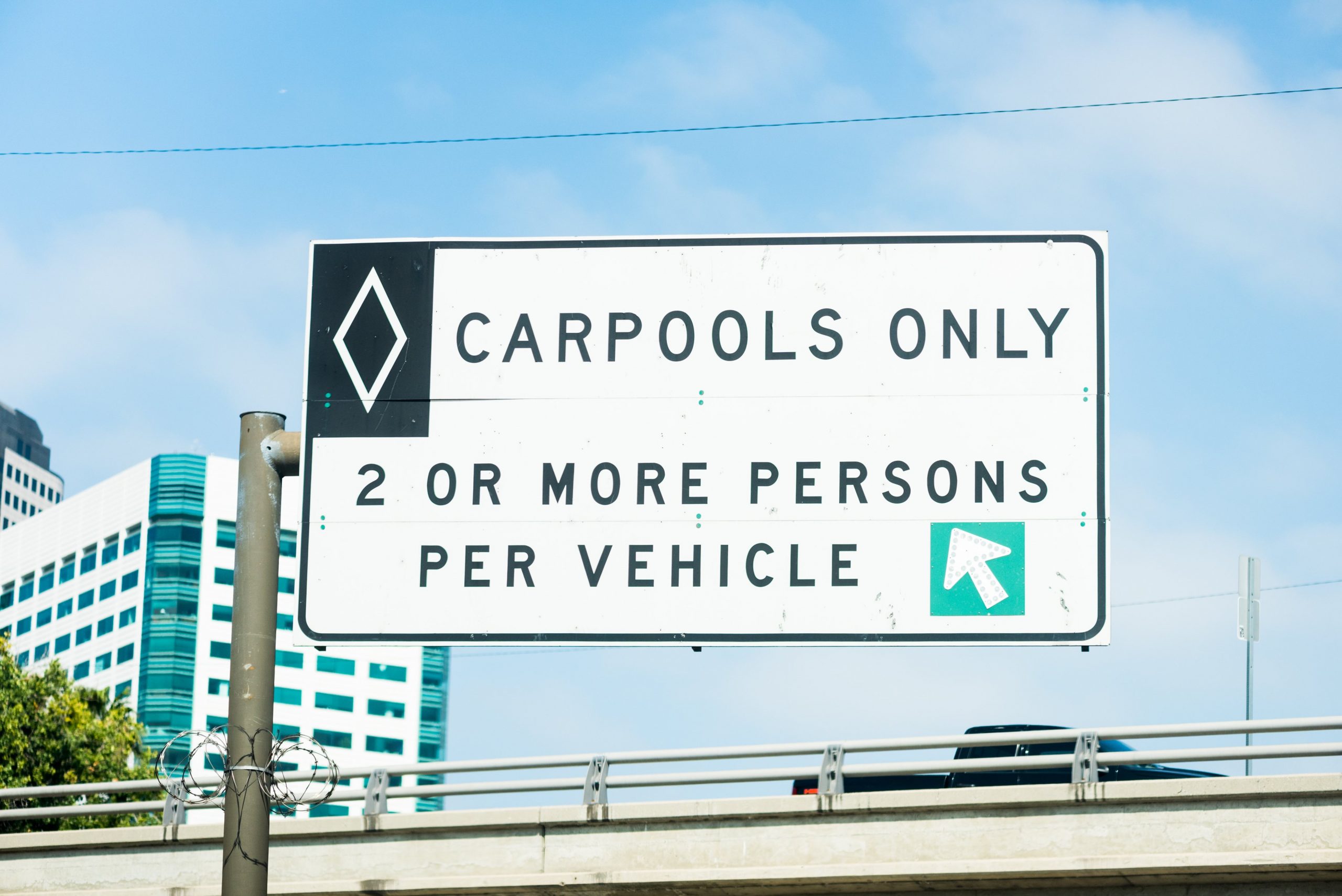
So you couldn’t resist the temptation…Traffic was slow and you glanced over at the HOV lane and saw the cars whizzing by. You ducked into the lane and sure enough, you saw flashing lights pulling you over and writing up a ticket. Now what?
While the standard HOV ticket issued pursuant to Section 316.0741, Florida Statutes, does not carry points, simply paying it may cause your insurance premiums to rise. If you have questions about whether to pay an HOV ticket, contact an experienced traffic ticket attorney who can help you evaluate your situation. The Ticket Clinic has handled over one million traffic-related tickets in Florida, California and nationwide. Call us at 1.800. CITATION for more information.
Traffic Lawyer Report: Palm Beach County By The Numbers Over the last decade, Palm Beach County has seen explosive population growth. It is now the 2nd most populated Florida county with 1.524 mil residents according to the 2020 census. That's over a 15% increase in total population. All those new people leads to more traffic [...]
Over the last decade, Pinellas County has seen explosive population growth. It is now the 7th most populated Florida county with 978,872 residents according to the 2020 census.
Over the last decade, Broward County also known as the Fort Lauderdale area has seen explosive population growth. Broward is now the 2nd most populated Florida county with 1,966,120 residents according to the 2020 census. That’s over a 12% increase in total population. All those new people leads to more traffic congestion and ultimately more law […]

A citation for failure to yield is a non-criminal traffic citation. Generally, these tickets are issued following an accident when one driver’s failure to yield to the other caused the collision.
John, pulls out of a strip mall, colliding with Jane, who is driving on the road. Jane has the right of way and John’s failure to yield likely caused the collision. While each case is based upon its own specific set of facts, this is often the scenario where we see citations for failure to yield.
Failure to yield citations are governed by Florida Statutes, Chapter 316.121 – 123. A ticket for failing to yield can put as many as four points on your driving record and may result in increased insurance premiums. If you have received a ticket for failing to yield, consider contacting an experienced traffic ticket attorney to help you. The Ticket Clinic has handled over one million traffic tickets in Florida, California and nationwide. If you have questions about your ticket for failing to yield, call us today at 1.800.CITATION.
Over the last decade, Pinellas County has seen explosive population growth. It is now the 7th most populated Florida county with 978,872 residents according to the 2020 census.
Over the last decade, Broward County also known as the Fort Lauderdale area has seen explosive population growth. Broward is now the 2nd most populated Florida county with 1,966,120 residents according to the 2020 census. That’s over a 12% increase in total population. All those new people leads to more traffic congestion and ultimately more law […]
Over the last decade, Orange County also known as the Orlando area has seen explosive population growth. Orlando is now the 4th most populated Florida city with 290,520 residents according to the 2020 census.
Another chimp ad from The Ticket Clinic. If you haven’t seen this one on TV, check it out.
Maybe you turned right at a red light, stopped over the line at the intersection, or passed through just as the light turned red. If so, you may come to receive a hefty fine in the mail if you have been found in violation of a red light camera. Understanding how these devices work and how to dispute them may help you prevent a steep fine, higher insurance premiums, and other consequences on your driving record.
Not all states and counties have red-light cameras in use. According to a report by the Florida Department of Highway Safety and Motor Vehicles in 2017, 63 Florida jurisdictions implement the use of these devices.
Red light cameras are a relatively new photo enforcement technology that is becoming increasingly prevalent in Florida intersections. These devices are used to automate the process of recording drivers committing a red light violation, serving as a major ally in prosecution. As a driver passes over a sensor in the intersection while the traffic signal is red, a camera is activated, taking pictures of the driver and their front license plate. After the violation is recorded, an enforcement program issues a citation, which is then mailed to the registered owner of the vehicle. The red light camera can also capture up to 12 seconds of video as further evidence of the crime committed.
Due to the timeliness of these photos, many drivers are caught “red-handed” in an illegal act, like passing through an intersection while the signal is red. Though these may seem like indisputable pieces of evidence, there are still ways for drivers cited by these cameras to fight the tickets.
While many states vary in who is held responsible when a red light camera captures a violation, in the state of Florida, the registered owner of the vehicle receives the bill. This means that if someone is borrowing your car and triggers a red light camera, you will likely be the one to receive the citation.
In some situations, like in the case of a recently-sold car under new ownership or a stolen vehicle, the citation issued can be dismissed with the submission of an affidavit. It is recommended that drivers seeking dismissal should consult a local attorney specializing in traffic tickets for proper guidance.
Red Light Cameras in the state of Florida capture a number of violations, many of which are accompanied by a citation in the mail issued to the owner of the car. Failing to make a complete stop when turning right at a red light, passing through an intersection while the light is red, or stopping in the middle of an intersection during a red light can all result in a Notice of Violation (essentially, a ticket in the mail). Legally, each of these violations will result in a citation for s, 316.075(1)(c)1., Fla.Stat., which mandates drivers to come to a complete stop before a red light. These violations are captured in both photo and video form by the red light camera.
It is important to note that not all photos that were taken result in a violation. For instance, breaking beyond the line at a red light may trigger a camera without a violation having occurred. Every image captured by a red light camera is eventually reviewed by a police officer, who will decide whether the driver was in violation of traffic laws.
Over the years, there have been many debates over the legality of police departments utilizing red light cameras provided by third-party vendors. Florida’s House approved a statewide ban on these devices in 2017, however, soon after the Florida Supreme Court ruled that red light cameras are legal and may be used in the interest of public safety.
Since the ruling, some cities in Florida have chosen to end their use of Red Light Cameras, while others continue to use them. For instance, in Palm Beach County, only Boynton Beach is currently using these cameras.
For the most accurate information regarding the locations of red light cameras, drivers should check their city’s website. Most cities post the location of cameras, the fines associated with citations issued from the cameras, and the process of receiving and paying or disputing a citation.
While some cities in Florida have refused to reactivate their cameras since the ruling in 2017, they are within their rights to reactivate them at any time. Your best course of action at any traffic signal is to obey state laws and wait until the light turns green.
Costs can vary depending on the county, but the typical cost for a red light camera ticket in Florida is $158. This fee can rise to $262 if you fail to pay the ticket after the first mailed notification.
If you receive a traffic ticket from a red light camera and do not choose to contest the citation, you must pay the fine listed on the ticket within 30 days of receiving it. If you do so, no points are added to your record. However, if you miss this deadline, not only will your fine increase, but you will also incur court costs and three points on your license.
Continuing to ignore the citation can result in the suspension of your license,
even higher fines, and the fee of reinstating your driver’s license.
If you plan to contest the violation, your first step should be finding a local attorney that specializes in traffic tickets.
An attorney can guide you through the legal red tape, ensure that all deadlines are met and all evidence is gathered and presented in the way that best represents your case.
A great way to increase your chances of reducing the fine or getting the charge dismissed entirely is to call the lawyers at The Ticket Clinic or hire us online.
Since 1987, The Ticket Clinic has resolved over 3,000,000 traffic-related cases across the nation. Call 1-800-CITATION (1-800-248-2846) now for your free consultation!
It’s that time of year again: Super Bowl Sunday. It’s time for chips, chili and of course, beer.
With 6 days to go until kick-off, now is the time to plan for Sunday’s festivities. Select a designated driver or plan to take a cab if you are heading out to watch the game and expect to be drinking. Planning now can save you from doing something stupid later, like getting behind the wheel after you’ve had a few too many.
As a last resort, if you are unexpectedly too drunk to drive home, AAA’s Tow-to-Go program removes intoxicated drivers and their cars from the roads.
And if you read this blog too late and you do find yourself on the side of the road getting a ticket for DUI, consider contacting an experienced DUI attorney to help you. The Ticket Clinic has handled over 1 million traffic-related citations, including DUI. Questions? Call us at 1.800.CITATION.

In today’s busy world, with so many driving distractions, car accidents are becoming increasingly frequent. Your initial response at the time of the accident can make all the difference in the outcome. Here are some dos and don’ts if you are involved in a car accident.
Buckle up and drive safely!
The content of this blog is intended for informational purposes only. It is not intended to solicit business or to provide legal advice. Traffic laws differ by jurisdiction, and the information in this post may not apply to every reader. You should not take, or refrain from taking, any legal action based upon the information contained in this blog post without first seeking professional counsel. Visiting The Ticket Clinic blog does not create an attorney-client relationship between you and The Ticket Clinic.
The Move Over Law originated in 1994, when a paramedic in South Carolina was struck and injured while responding to an emergency situation roadside. Since then, all fifty states in the U.S. have adopted some version of a Move Over Law to protect emergency responders in the line of duty.
50 of the 50 United States currently have and enforce a Move Over Law. Though each state has some version of this law, the regulations surrounding them differ quite a bit. For instance, the Move Over Law in California simply requires drivers approaching stationary emergency vehicles to “slow down,” while Wyoming’s statute requires drivers “to merge into the lane farthest from the vehicle when traveling in the same direction, if safe to do so, or to slow to a speed that is 20 miles per hour less than the posted speed limit.”
So, with so many variations, how should drivers interpret the Move Over Law in the state of Florida?
The Move Over Law in the state of Florida, also known as Florida Statute 316.126, was passed in 2002 and requires drivers to respect emergency vehicles giving audible or visible signals both en route to emergencies and stationary while assisting emergencies on the side of the road.
When approaching or being approached by an emergency vehicle that is en route to an emergency, drivers must immediately vacate any intersection, travel to the closest edge of the roadway, and stop until the vehicle has passed.
When passing a stopped emergency vehicle on the side of a roadway of two or more lanes, drivers must vacate the lane closest to the stopped vehicle(s) and slow to a speed less than 20 miles per hour less than the speed limit (or, if the speed limit is 20 miles per hour or below, slow to a speed of 5 miles per hour). When passing a stopped emergency vehicle on a single-lane road, or if unable to change lanes on a roadway of two or more lanes, the driver must slow speeds by the same quantities.
Pedestrians must also recognize the Move Over Law by yielding to emergency vehicles until they have passed and otherwise adhering to the right of way (unless directed to do otherwise by a law enforcement officer).
This statute also requires the DMV to provide educational campaigns to ensure the public is informed about the Move Over Act.
Because the Florida Move Over Law is rather all-encompassing, there are many ways to violate this statue and receive a ticket. Common violations include speeding past or failing to slow down when approaching an emergency vehicle, failing to move out of the way of an approaching emergency vehicle, or traveling too closely to a stopped emergency vehicle on the side of the road.
Drivers can receive tickets for any of these violations, regardless of the damage caused by their actions or lack thereof. However, if any of these actions cause harm to fellow drivers or emergency vehicles or personell, the violation will be much worse.
The Move Over Law in Florida applies to all emergency vehicles displaying either visual or auditory signals (like flashing lights or sirens) or in the act of providing emergency assistance. This includes tow trucks, first responder vehicles and police.
Penalties for violating the Florida Move Over Law differ based on severity. This type of violation is considered a “noncriminal traffic infraction.”
In general, drivers who violate this statute can expect to pay a fine of at least $120 and incur three points on their driving record. These penalties may increase if the driver has already received multiple points on their record or has violated the same statue in the past. Additionally, drivers who fail to obey the Move Over Law and cause harm or damage as a result will receive heftier punishments.
If you have received a ticket for violating the Florida Move Over Law, you do have options.
Your first course of action should be to hire an attorney with experience in traffic tickets. This will help you build your case and have the best possible chance of fighting the ticket and winning in court. Once you have explained your case to an attorney, they can assist you in building a proper defense.
Some defenses can include an unsafe situation preventing the driver from moving lanes or slowing speeds, lack of or improper notice from the emergency vehicles, or attempting to prevent further damage that would be caused by adhering to the Move Over Law.
If you are looking to fight a Move Over Law ticket in Florida, call The Ticket Clinic for a free consultation at 1-800-CITATION (1-800-248-2846) or hire us online. Our experienced traffic lawyers have resolved over 3,000,000 traffic offenses nationwide since 1987.
Disclaimer: The information contained on this website and any linked resource is intended to provide general information about legal matters to the public and does not constitute legal advice and should not be treated as such. The content is not guaranteed to be correct, complete, or up-to-date. NO ATTORNEY-CLIENT RELATIONSHIP. The use of the website does not create an attorney-client relationship. The transmission of information via the website does not create an attorney-client relationship between you and The Ticket Clinic, A Law Firm. Nothing presented on the website constitutes legal advice and shall not be relied upon in any way. Until a signed representation and fee agreement and acceptance of the terms and conditions here and required payment is received and written confirmation from us, there shall be no attorney-client relationship created. No legal advice is being provided. The website is maintained for informational purposes only. Nothing appearing on this site shall be considered legal advice and is presented only as a general statement of the law. Users of the website should not act, or decline to act, based on information or content from this website. The Ticket Clinic, A Law Firm is not liable for the use, or interpretation, of information contained on the website or otherwise presented on accessed through the website, and expressly disclaims all liability for any actions you take or do not take, based on the website's content. *For certain non-moving violations, ask for details. "This disclaimer governs your use of our website; by using our website, you accept this disclaimer in full. If you disagree with any part of this disclaimer, do not use our website. We reserve the right to modify these terms at any time. You should therefore check periodically for changes. By using this site after we post any changes, you agree to accept those changes, whether or not you have reviewed them."